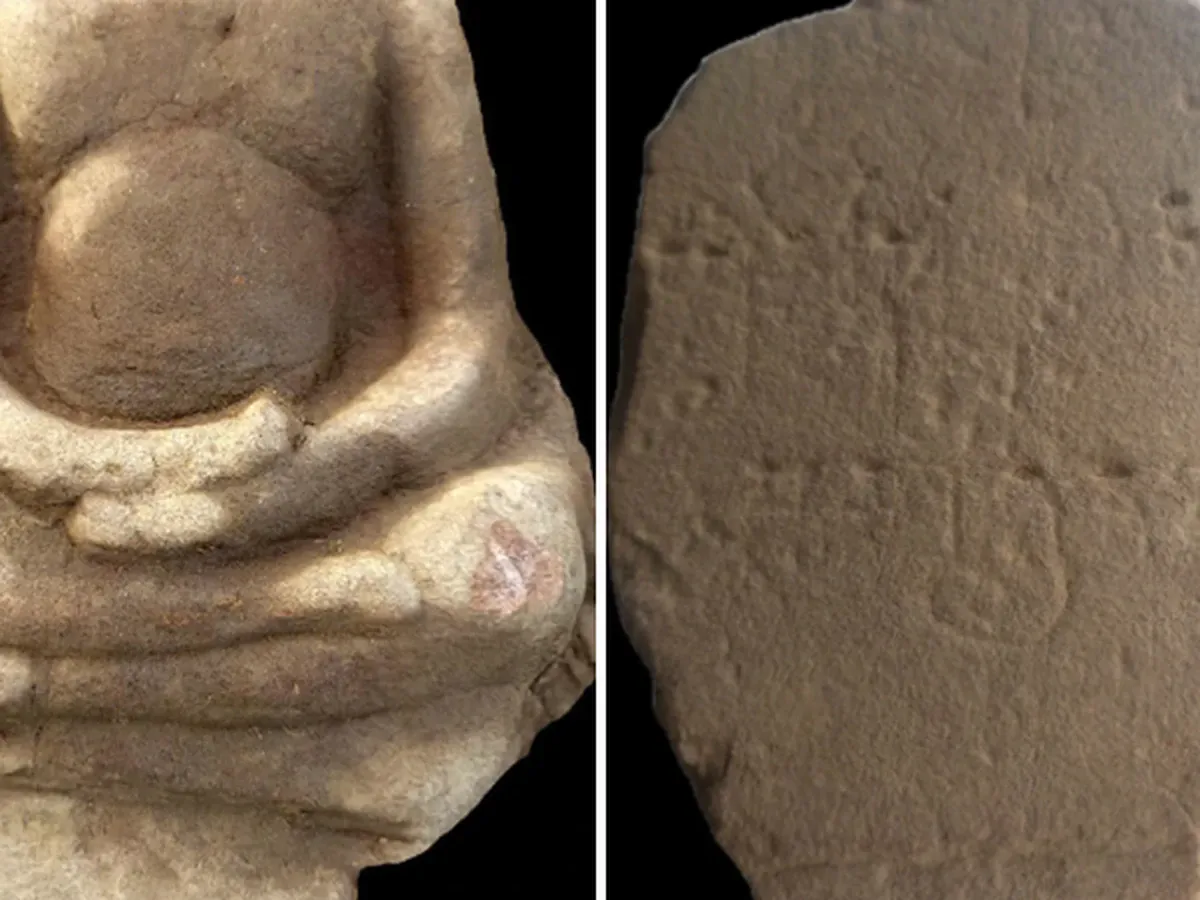
Wildfires put South Sulawesi’s prehistoric cave art at risk
An archaeologist warned that extreme heat can strip ancient pigments from limestone, while smoke deposits can obscure the paintings.
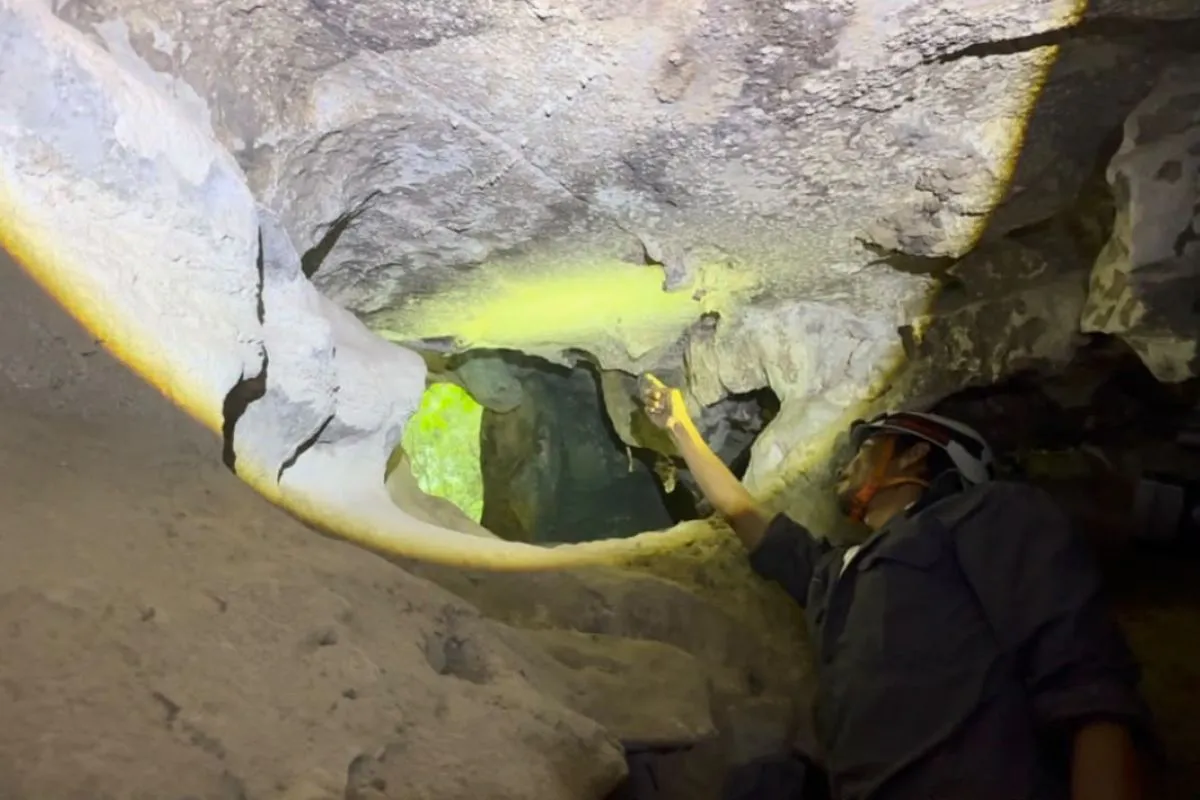
Wildfires threatening prehistoric paintings in Indonesia’s South Sulawesi have burned 93.43 hectares in Bantimurung-Bulusaraung National Park, according to park chief Abdul Rajab. Griffith University archaeologist Basran Burhan warned that the fires endanger the region’s ancient rock art.
The limestone caves of Maros-Pangkep hold the oldest known cave paintings in the world. Images include hand stencils and depictions of babirusa wild pigs dating back more than 45,000 years.
Burhan explained that intense heat makes limestone expand and form microscopic cracks, which can lead to extensive peeling of ancient pigments. Heat can also hasten weathering by changing temperatures around the paintings, even when flames do not touch them.
Smoke poses a separate problem: Burhan said soot can coat the artwork, concealing its original colours and making the images difficult to recognise. To preserve the caves’ sensitive microclimates, local conservation authorities allow no more than five visitors into each cave.
Rajab said the burned area had grown from 34.74 hectares. The fires in the park, located in Pangkep Regency, are also harming native plants and habitats supporting protected endemic wildlife.