Three Indonesian documentary collections added to UNESCO regional register
The Jakarta meeting registered 21 collections from 10 Asia-Pacific countries, including Indonesian manuscripts and a regional literary archive.
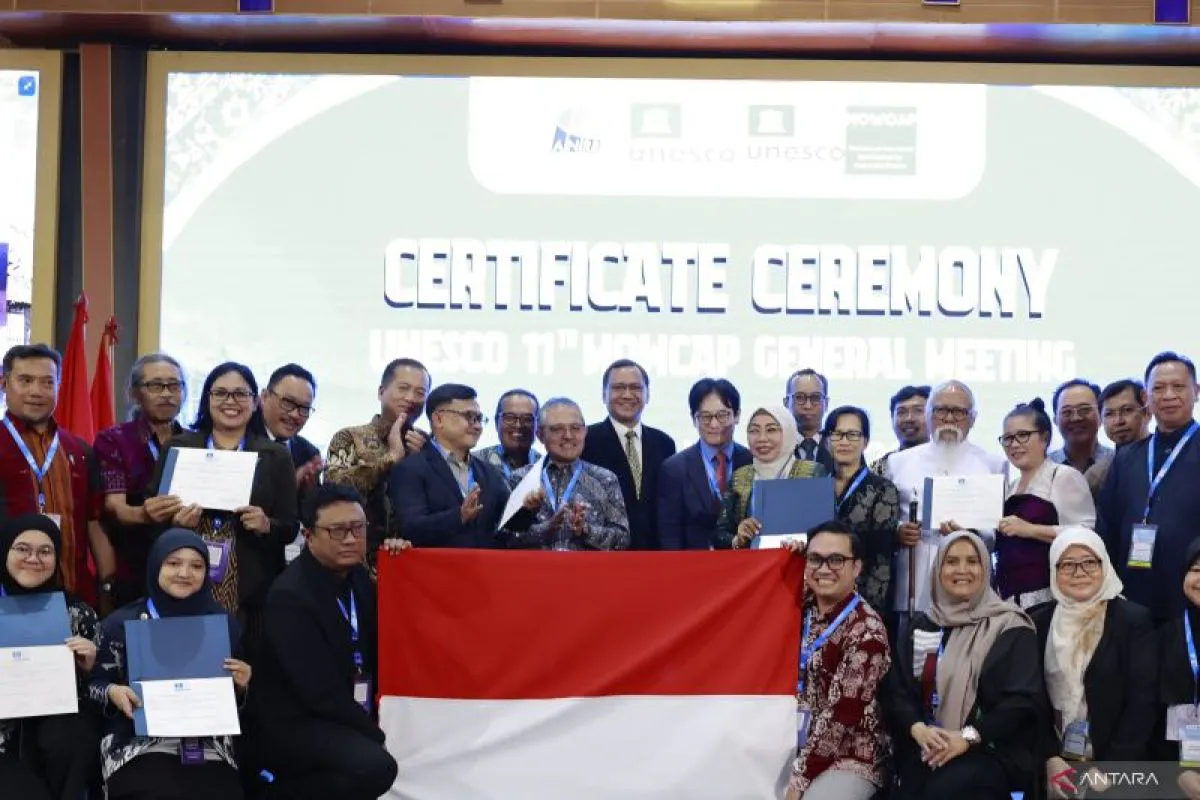
Three Indonesian documentary heritage collections gained recognition under UNESCO's Memory of the World programme at a regional meeting in Jakarta on November 5. They were among 21 collections from 10 countries added to the Asia-Pacific register.
The additions comprise Bo' Sangaji Kai, Kidung Bhuwana Wina and an archive held by the H.B. Jassin Literary Documentation Center. The National Archives of the Republic of Indonesia (ANRI) hosted the 11th general meeting of UNESCO's Memory of the World Committee for Asia and the Pacific.
Bo' Sangaji Kai records the Bima Sultanate's history, regional diplomacy and trade, and the 1815 Mount Tambora eruption. It also describes the sultanate's governance, the Sultanah's role and legal protections for women.
Kidung Bhuwana Wina presents a local account of politics, diplomacy and resistance to Dutch colonialism involving kingdoms in Bali and Lombok. It is the only known traditional Balinese kidung recording those events, with its traditions continuing through Saraswati Day chanting.
The literary centre's Southeast Asian Literary Network archive traces modern literature and intellectual and cultural connections among the region's writers.
ANRI head Mego Pinandito, who also chairs Memory of the World Indonesia, said the recognition underscored the collections' importance as records of Indonesian history, intellectual traditions and links with the wider Southeast Asian region.