Fire haze disrupts 2,458 domestic flights in Indonesia
The Transport Ministry said smoke affected airports in Sulawesi, Maluku and North Maluku, while 14 international flights were cancelled.
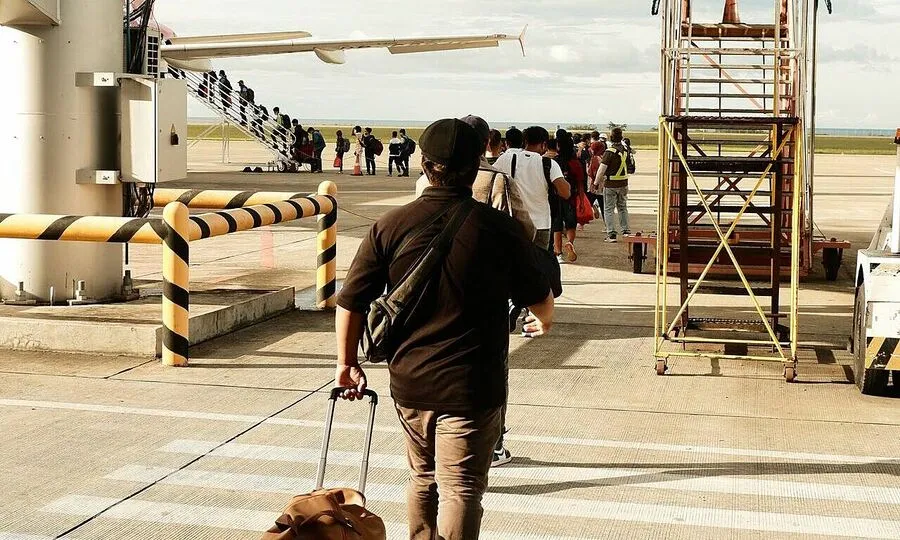
Smoke from forest and land fires disrupted 2,458 scheduled domestic flights in Indonesia between 11 August and 17 October 2026, according to the Transport Ministry’s Directorate General of Civil Aviation. The tally increased by 437 from the 2,021 recorded as of 13 October.
Of the affected flights, 1,080 were delayed and 1,324 were cancelled or postponed. Another 22 were diverted, six returned to their departure airports and 26 had their departure times brought forward.
Director General of Civil Aviation Lukman F. Laisa said in a statement dated 18 October that haze disruption had spread to Sulawesi, Maluku and North Maluku during 13–17 October. Kalimantan, Papua and Sumatra were also affected. He said smoke reduced visibility around airports and that safety took priority in operational decisions.
The ministry also recorded 14 international cancellations: 12 flights serving the Singapore–Pontianak return route during 12–23 September and two serving the Singapore–Palembang return route on 15 October. Smoke affected Supadio airport in Pontianak and Sultan Mahmud Badaruddin II airport in Palembang.
Separately, haze forced the cancellation of 22 pioneer-service flights on 16 October, including two cargo flights. A further 20 scheduled domestic flights were cancelled for reasons unrelated to the fires, including volcanic ash, poor weather, strong winds, aircraft maintenance and technical problems.
The directorate asked affected airport operators to implement low-visibility procedures with AirNav Indonesia and BMKG, issue aviation notices and strengthen airside readiness. It also requested better passenger information and the provision of masks in terminals.
Firefighting water-bombing operations continued, with 5,179 flight cycles flown by 38 aircraft from 11 operators between 20 April and 16 October 2026. Airports in affected areas supported the operations through parking space, priority flight slots, monitoring posts, water-source data and fuel availability.