Vietnam’s Trang An added to global geological heritage list
The 2026 recognition covers a tropical limestone landscape that preserves evidence of ancient sea-level changes and human settlement.
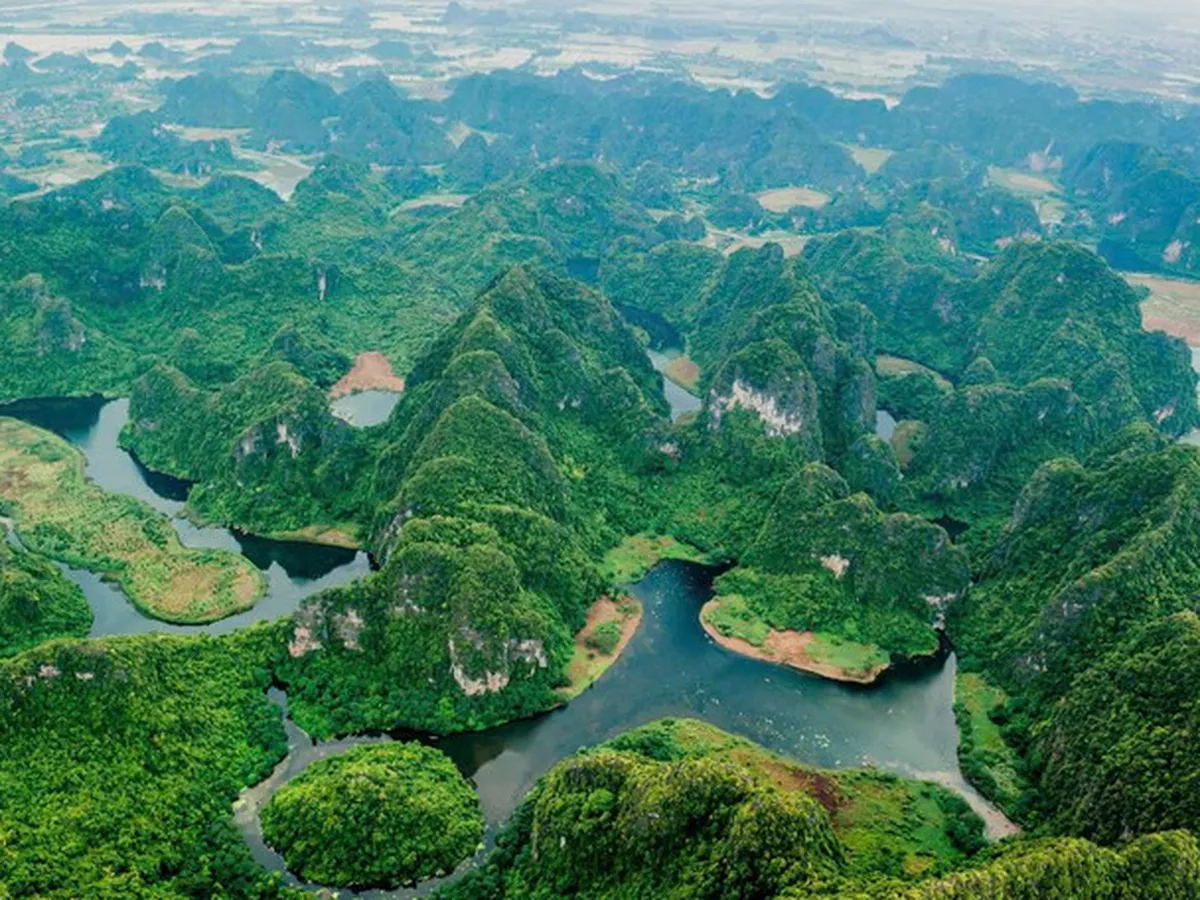
Vietnam’s Trang An Tropical Karst has been included in the International Union of Geological Sciences’ third selection of 100 geological heritage sites, according to the Ninh Binh Department of Tourism. The site was recognised in 2026 under a category covering landforms and ongoing geological processes.
The IUGS describes Trang An as the best-known tropical karst landscape to have emerged after being submerged by the sea. Its terrain developed over more than 250 million years, producing limestone towers and cones, enclosed valleys, depressions and underground caves containing stalactites and stalagmites.
Traces of earlier sea-level fluctuations remain in the landscape, from notches and platforms carved by waves to beach deposits and marine shell accumulations. These records provide evidence of how sea levels, terrain and environmental conditions changed across geological periods.
Trang An also contains archaeological evidence of human occupation and adaptation to difficult climatic and environmental conditions over tens of thousands of years.
The Trang An Scenic Landscape Complex received UNESCO World Heritage status in 2014 for its natural and cultural significance, becoming the first mixed site in both Vietnam and Southeast Asia. The tourism department said the IUGS listing also acknowledged local efforts to protect the site and support community livelihoods.