Gua Pelangi cave finds displayed at Negeri Sembilan exhibition
Snail shells estimated to be between 14,000 and 9,000 years old offer clues to prehistoric diets, a museum official said.
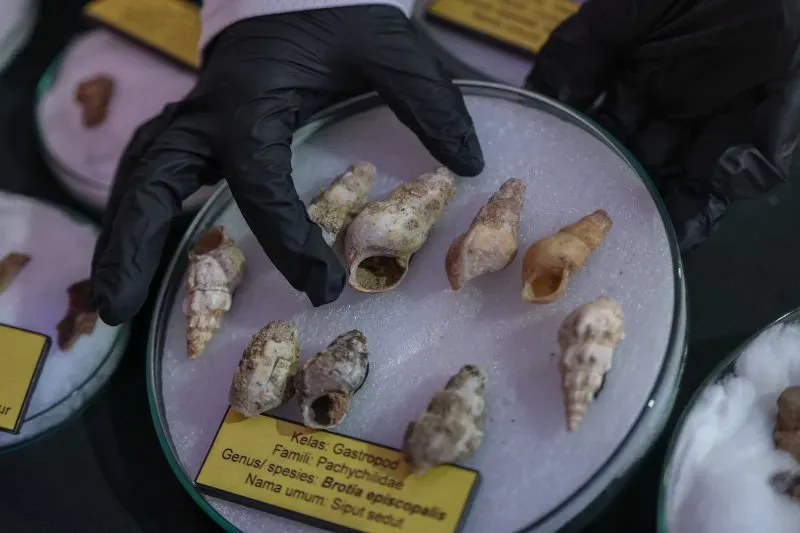
Artefacts excavated from Gua Pelangi in Pasoh 4, Negeri Sembilan, are on display in Seremban, including shells that may shed light on what prehistoric communities ate, according to the Negeri Sembilan State Museum Board.
The board’s booth at the Yakin Madani Negeri Sembilan programme features pottery, snail shells and animal remains. These include a soft-shelled turtle carapace and bones from monitor lizards, pythons and mammals.
Siti Azmiza Omar, the board’s senior museum assistant, told Bernama that researchers believed snails were a major food source for the cave’s inhabitants, based on their findings and its riverside location. She said the shells were estimated to be between 14,000 and 9,000 years old.
Excavations started in 2015, with research conducted in phases alongside the National Heritage Department and Universiti Sains Malaysia (USM). The exhibition draws on the first three phases; USM is still conducting the fourth.
Some displayed finds were linked to the Palaeolithic period, Siti Azmiza said, although further study was needed to establish the types and origins of certain materials. Excavators used a system of grids and soil layers to record where each discovery was found.